Trending

Five days of walking with the sea on one side and everything you need on your back is the quickest way to learn what actually earns its place in a pack. Coastal routes are their own breed: wind that arrives sideways, salt that stiffens wet clothing, sun bouncing off water and pale rock, and stretches of beach or tidal causeway where timing matters more than mileage. This list is built for a three-season coastal walk with a bed or campsite each night, no resupply stops and luggage you carry yourself. Change the specifics to suit your route — a warmer mid layer for a spring Scottish coast, trail runners instead of boots on a dry Portuguese path — but keep the logic underneath it.
Coastal weather is rarely the weather you packed for. A sheltered valley can be still and warm, then you round a headland and the wind doubles while spray comes up over the rocks. The answer is layers you can add and remove in under a minute, without taking off your pack and unpacking it.
That is roughly a five-kilogram clothing pile, which is about right. If you are carrying more, you have packed for a different trip.
Everything else can be improvised. Feet cannot. Choose footwear you have already walked long days in, and choose it for the terrain you will actually meet: rock and mud want a stiffer boot, firm sand and paved coastal paths suit a trail runner. Waterproof boots keep splash out but hold sweat in and dry slowly; breathable shoes drain fast but let grit in. Neither choice is wrong, but a new pair on day one is.
Carry a small foot kit separate from your main first aid: two blister plasters, a length of thin tape, a small pot of anti-chafe balm and a spare pair of socks. Stop at the first hot spot rather than at the first blister. On a five-day walk, ten minutes of taping at lunch saves you two days of limping. If a blister becomes hot, spreading, or weeping pus, treat it seriously and get it looked at rather than walking on it.
Add a pair of lightweight sandals or camp shoes. After eight hours in boots, getting your feet out and aired at camp is the single best recovery habit on a trip like this.
Coastal routes often have patchy phone signal and occasional cliff-edge exposure, and weather can shut down a headland in twenty minutes. Carry the boring things.
Before you set off, leave your route and expected finish time with someone at home, and mark the escape points — the villages, road crossings and bus stops where you could cut the day short. Knowing where the exits are changes how confident the rest of the walk feels.
Assume you will not find a shop when you want one. Carry at least two litres of capacity and three if there are dry stretches; a filter or purification tablets let you top up from streams and taps and save carrying weight. Electrolyte tablets are worth 40 grams in hot weather.
For food, aim for things you will actually want to eat at hour six: nuts, oat bars, dried fruit, a block of cheese, cured sausage, tortillas, instant noodles for camp. Roughly 200 to 300 calories per hour of walking is a reasonable working figure for most people, and appetite on a coastal walk is unpredictable — pack one extra dinner as insurance. A small stove and pot pay for themselves over five days compared with buying hot meals, but a no-cook plan is lighter and simpler if you are happy with cold suppers.
These are the items people skip and then wish they had not.
Lay everything out, pack it as you plan to walk, then lift the pack and walk around the block with it. Anything you can honestly say you would not use before day three goes back in the cupboard. Put the items you need during the day — water, snacks, sunscreen, shell, hat, map, blister kit — in the top or lid so you are not unpacking at every stop, and keep the heaviest items close to your back and just below your shoulders.
Fill your water bottles, charge everything, print the tide tables, and check the forecast one last time. Then sleep. The coast is not going anywhere, and the walk starts better with a full night behind you.
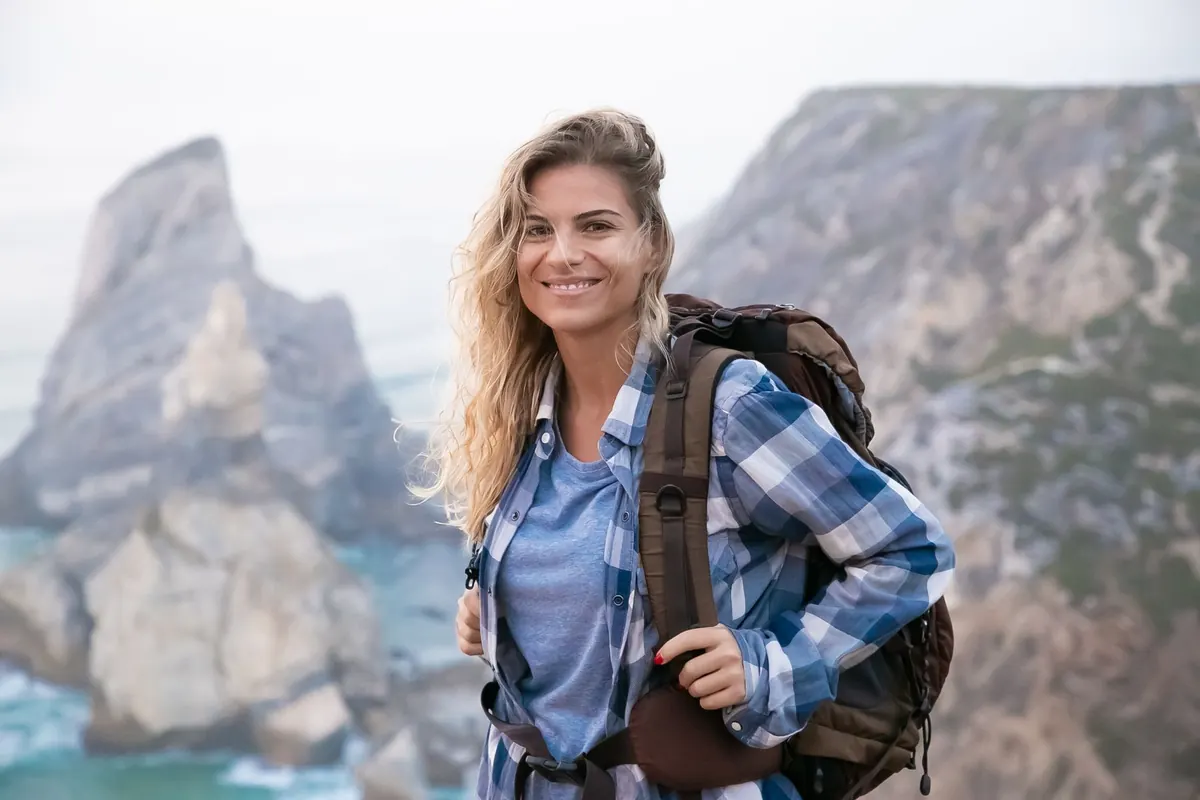
Photo: Kampus Production / Pexels